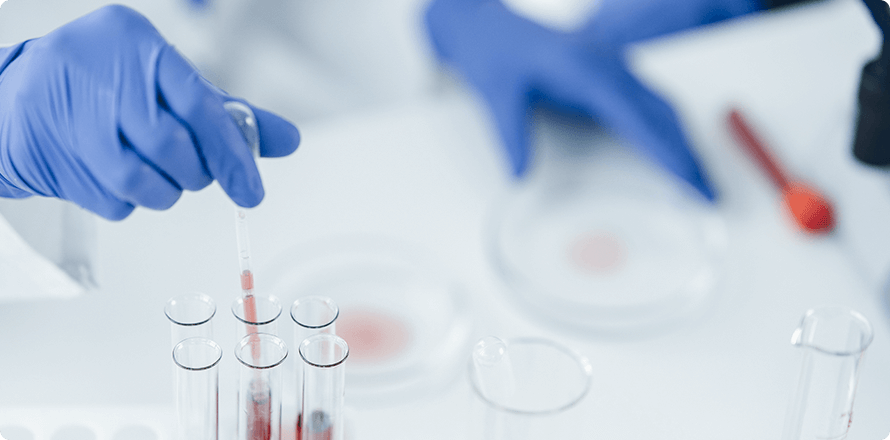
IVF-ET refers to an assisted reproductive technology that mixes the patient's eggs and sperm in a Petri dish to
fertilize the eggs, and then transfers the embryos produced by the fertilized eggs cultured in vitro to the patient's
uterus. The first generation of IVF technology is mainly an assisted reproductive technology developed for female
infertility.
adapt:
1. Infertility in which the fallopian tube cannot be reopened: such as fallopian tube occlusion, ponding, adhesion, etc;
2. Infertility for which the cause has not been found: including partial immune infertility, antisperm antibodies in
women and abnormal cervical factors;
3. Factors of male infertility: such as abnormal semen, oligospermia, asthenospermia or azoospermia;
4. Endometriosis: those who cannot conceive after drug or surgical treatment;
5. One of the couple has a lack of germ cells or some genetic disease; Failure of multiple artificial insemination (AIH)
with husband semen or artificial insemination (AID) with donor semen;
6. Ovarian dysplasia, premature aging and fertilization with donor eggs.